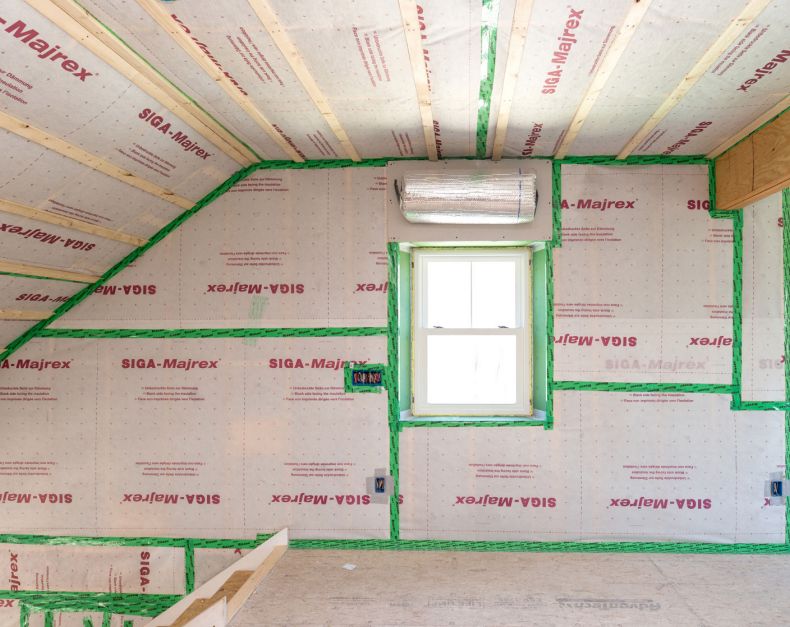
Understanding Vapor Mitigation in Texas
Vapor mitigation in Texas refers to the process of controlling or preventing harmful soil gases, especially radon gas and chemical vapors, from entering buildings through the ground. This is especially important in Texas due to the state’s diverse soil conditions, industrial activity in certain regions, and increasing awareness of indoor air quality risks. Many homeowners and commercial property developers in Texas are now prioritizing vapor mitigation systems during new construction and renovation projects. These systems are designed to protect indoor environments from contaminants that can seep upward through soil and concrete slabs.
Why Vapor Mitigation is Important in Texas
Texas has a wide range of geological conditions, from clay-heavy soils in North Texas to sandy and porous soils in coastal regions. These conditions can allow gases trapped underground to move easily into buildings if no protective system is installed.
Some key reasons vapor mitigation is important in Texas include:
- Radon exposure risk: Certain areas in Texas have moderate radon potential, which can pose long-term health risks.
- Industrial contamination: In regions near industrial zones, volatile organic compounds (VOCs) may exist in soil vapor.
- Foundation design: Many Texas homes are built on slab foundations, making them more vulnerable to soil gas intrusion.
- Energy efficiency concerns: Uncontrolled air leakage can affect HVAC performance and increase energy costs.
By installing proper vapor mitigation Texas systems, property owners can significantly improve indoor air quality and long-term structural safety.
Common Types of Soil Vapor Issues in Texas
Different regions of Texas face different vapor-related challenges. Understanding these helps in selecting the right mitigation system.
Radon Gas
Radon is a naturally occurring radioactive gas that comes from the breakdown of uranium in soil and rock. It can enter buildings through cracks in foundations and is considered a long-term health hazard.
Volatile Organic Compounds (VOCs)
In areas near industrial activity or former fuel stations, VOCs can be present in soil vapor. These chemicals can migrate into buildings and affect indoor air quality.
Methane Gas
Some parts of Texas may also experience methane intrusion, especially near landfills or oil and gas operations.
How Vapor Mitigation Systems Work
A vapor mitigation system is designed to block or redirect harmful gases before they enter a building. The most common approach used in Texas is Active Soil Depressurization (ASD).
Sub-Slab Depressurization System
This system involves installing a pipe system beneath the concrete slab of a building. A fan is used to draw gases from beneath the structure and release them safely into the atmosphere above the roofline.
Vapor Barriers
A thick plastic or polyethylene sheet is installed under the foundation during construction. This barrier reduces the movement of gases from soil into the building.
Sealing Foundation Cracks
Cracks, joints, and openings in foundations are sealed to prevent vapor entry. This is usually combined with other mitigation techniques for maximum effectiveness.
Passive Ventilation Systems
In some cases, buildings are designed with natural airflow systems that reduce vapor buildup without mechanical fans. However, these are less common in modern Texas construction.
Vapor Mitigation in New Construction vs Existing Homes
The approach to vapor mitigation in Texas depends on whether the building is new or already constructed.
New Construction Projects
For new homes and commercial buildings, vapor mitigation is usually integrated during the foundation stage. This is the most cost-effective approach because systems like vapor barriers and sub-slab piping can be installed before the concrete is poured.
Builders in Texas increasingly follow building codes and best practices that include radon-resistant construction techniques.
Existing Buildings
For older homes and buildings, retrofitting is required. This often involves:
- Drilling into the foundation slab
- Installing suction pipes
- Adding ventilation fans
- Sealing cracks and joints
Although retrofitting can be more expensive than new installation, it is highly effective when done correctly.
Building Codes and Regulations in Texas
Texas does not have statewide mandatory radon-resistant construction codes, but many local jurisdictions and builders follow EPA-recommended guidelines.
The Environmental Protection Agency (EPA) recommends mitigation when radon levels exceed 4 picocuries per liter (pCi/L). Many Texas contractors follow these guidelines voluntarily, especially in residential developments.
Commercial projects, schools, and healthcare facilities are more likely to require formal vapor mitigation systems as part of environmental safety standards.
Benefits of Vapor Mitigation Systems
Installing a vapor mitigation system in Texas offers multiple benefits beyond just safety.
Improved Indoor Air Quality
By preventing soil gases from entering indoor spaces, these systems help maintain cleaner and healthier air.
Health Protection
Long-term exposure to radon and VOCs can increase health risks. Mitigation systems reduce these risks significantly.
Increased Property Value
Homes with installed vapor mitigation systems are often more attractive to buyers who are concerned about environmental safety.
Energy Efficiency
Sealed foundations reduce unwanted air leakage, helping HVAC systems operate more efficiently.
Cost of Vapor Mitigation in Texas
The cost of vapor mitigation systems in Texas varies depending on building size, system type, and installation complexity.
- New construction systems: generally more affordable since they are installed during foundation work
- Retrofit systems: higher cost due to drilling, sealing, and equipment installation
- Average residential system: can range from moderate to higher investment depending on complexity
While the upfront cost may seem significant, it is often considered a long-term investment in health and property protection.
Choosing a Vapor Mitigation Contractor in Texas
Selecting a qualified contractor is essential for effective installation. When choosing a professional in Texas, consider the following:
- Experience with radon and vapor mitigation systems
- Knowledge of Texas soil conditions
- Proper licensing and insurance
- EPA or NRPP certification (National Radon Proficiency Program)
- Positive customer reviews and project history
A well-trained contractor will conduct soil testing, evaluate risk levels, and design a system tailored to the property.
Future of Vapor Mitigation in Texas
As awareness of indoor air quality continues to grow, vapor mitigation is expected to become a standard part of construction practices in Texas. Increasing urban development, industrial expansion, and environmental concerns are driving demand for safer building environments. In the future, more Texas builders are likely to adopt advanced mitigation technologies such as smart monitoring systems that continuously track indoor gas levels and system performance.
Conclusion
Vapor mitigation in Texas is an essential part of protecting both residential and commercial buildings from harmful soil gases like radon, VOCs, and methane. With Texas’ diverse soil conditions and expanding construction industry, these systems are becoming increasingly important. Whether for new construction or existing homes, proper vapor mitigation ensures healthier indoor air, improved safety, and long-term structural protection. Investing in a professionally designed system today can prevent serious health risks and costly issues in the future.