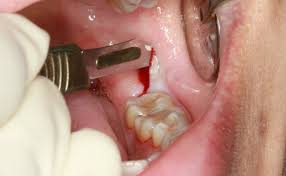
Tooth pain has a way of taking over your entire day. Eating becomes difficult, sleep feels impossible, and even talking can become uncomfortable. When the pain gets severe, many people start looking into a private tooth extraction for faster treatment and shorter waiting times.
The idea of having a tooth removed can feel nerve-racking at first, but modern dental clinics make the process much smoother than most people expect. In many cases, patients are surprised by how quick and manageable the procedure actually is.
If you’re considering a private dental extraction, this guide will help you understand the process, costs, benefits, recovery, and how to choose the right dental professional.
What Is a Private Tooth Extraction?
A private tooth extraction is the removal of a tooth at a private dental clinic rather than through public healthcare services.
Private dental care often offers:
- Faster appointments
- Flexible scheduling
- More sedation options
- Advanced technology
- Personalized treatment plans
Patients usually choose private treatment when they want quicker care, additional comfort options, or access to specialist oral surgeons.
Why Might You Need a Tooth Extraction?
Dentists only recommend extraction when a tooth cannot be saved or is causing other problems.
Common Reasons Include:
Severe Tooth Decay
If a cavity becomes too large to repair, removal may be the safest option.
Impacted Wisdom Teeth
Wisdom teeth often grow sideways or become trapped under the gums, leading to pain and swelling.
Gum Disease
Advanced gum disease can loosen teeth and damage surrounding bone.
Broken or Cracked Teeth
Sometimes a tooth is damaged beyond repair after an accident or injury.
Overcrowding
Orthodontists may recommend removing teeth before braces to create space.
Benefits of Choosing Private Tooth Extraction
Many patients choose private clinics because of the added convenience and comfort.
Faster Appointments
One of the biggest advantages is shorter waiting times compared to public healthcare systems.
If you’re in pain, quick treatment matters.
More Sedation Options
Private clinics often offer:
- IV sedation
- Nitrous oxide
- General anesthesia
- Relaxation-focused treatments
This can be especially helpful for nervous patients.
Personalized Care
Private dentists usually spend more time discussing treatment options and aftercare.
Patients often appreciate the extra attention and flexibility.
Access to Specialists
Complex extractions may require an oral surgeon, especially for impacted or broken teeth.
Private clinics often provide easier access to specialists.
What Happens During a Private Tooth Extraction?
The exact procedure depends on whether the extraction is simple or surgical.
Step 1: Consultation and X-Rays
Your dentist examines the tooth and may take X-rays to check the roots and surrounding bone.
Step 2: Numbing the Area
Local anesthesia is used to keep the procedure comfortable.
Sedation may also be offered if needed.
Step 3: Tooth Removal
For a simple extraction, the dentist gently loosens and removes the tooth.
For surgical extractions, a small incision may be made in the gum.
Step 4: Aftercare Instructions
You’ll receive advice about:
- Pain management
- Cleaning the area
- Foods to avoid
- Recovery expectations
Is Private Tooth Extraction Painful?
This is usually the first concern patients have.
The procedure itself is generally not painful because the area is fully numbed. You may feel pressure, but sharp pain is uncommon.
Afterward, mild soreness and swelling are normal for a few days.
Most patients recover comfortably with:
- Pain relief medication
- Ice packs
- Rest
- Soft foods
In reality, the toothache before extraction is often worse than the procedure itself.
Recovery After Private Tooth Extraction
Healing usually takes a few days to two weeks, depending on the complexity of the extraction.
Common Recovery Symptoms
You may notice:
- Mild swelling
- Jaw tenderness
- Minor bleeding
- Temporary discomfort
These symptoms usually improve gradually.
Tips for Faster Healing
Rest During the First 24 Hours
Avoid strenuous activity immediately after treatment.
Eat Soft Foods
Recommended foods include:
- Yogurt
- Soup
- Smoothies
- Mashed potatoes
- Scrambled eggs
Avoid hard or crunchy foods while healing.
Avoid Smoking and Straws
These can interfere with healing and increase the risk of dry socket.
Keep the Area Clean
Follow your dentist’s instructions carefully, including saltwater rinses if advised.
How Much Does Private Tooth Extraction Cost?
Costs vary depending on the clinic, location, and complexity of the extraction.
Average Price Estimates
| Procedure | Estimated Cost |
| Simple extraction | £80–£250 |
| Surgical extraction | £150–£450 |
| Wisdom tooth removal | £250–£600 |
| IV sedation | £150–£400 |
Specialist oral surgeons may charge higher fees for complex cases.
Risks and Possible Complications
Private tooth extraction is generally very safe, but all procedures carry some risk.
Possible complications include:
- Infection
- Dry socket
- Swelling
- Bleeding
- Temporary numbness
Following aftercare instructions carefully helps reduce these risks.
How to Choose the Right Private Dentist
Choosing the right clinic can improve your overall experience.
Look for:
- Experienced dentists or oral surgeons
- Positive patient reviews
- Clear pricing
- Sedation options
- Modern equipment
- Good communication
A trustworthy dentist should make you feel informed and comfortable before treatment.
Internal Linking Suggestions
You can also read:
- “How to Recover Faster After Tooth Extraction”
- “Signs Your Wisdom Teeth Need Removal”
- “What Is Dry Socket and How to Prevent It?”
- “Best Foods to Eat After Oral Surgery”
Recommended External Authority Sources
For trusted dental information, readers can explore:
- NHS
- American Dental Association (ADA)
Conclusion
A private tooth extraction can provide fast relief, flexible scheduling, and personalized dental care when dealing with severe tooth pain or damaged teeth. While the idea of extraction may feel stressful at first, modern dental procedures are designed to be safe, efficient, and as comfortable as possible.
The key is not to delay treatment. Ignoring dental pain often leads to more serious issues later.
With the right dentist, proper aftercare, and a little patience during recovery, most people heal quickly and return to normal life within days.
FAQs
How long does a private tooth extraction take?
Most simple extractions take around 20–40 minutes, while surgical procedures may take longer.
Is private tooth extraction better than public treatment?
Private treatment often offers faster appointments, more sedation options, and personalized care, though costs are usually higher.
Can I go back to work after a tooth extraction?
Many people return to work within one or two days, depending on the complexity of the extraction.
What foods should I avoid after extraction?
Avoid hard, crunchy, spicy, or very hot foods during the early healing period.
How do I know if I have dry socket?
Symptoms may include severe pain, bad breath, or an empty-looking socket a few days after extraction.